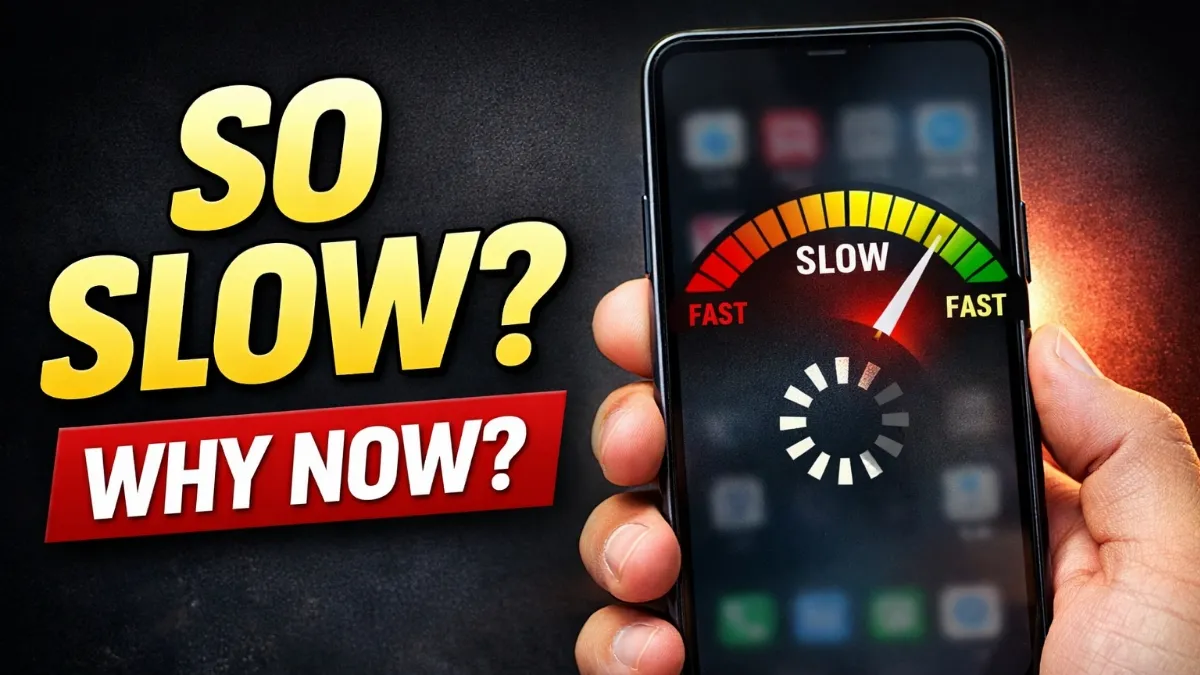
Why is my Android phone suddenly so slow ? This is one of the most common questions every Android users search for when their device starts lagging without warning. Your phone may have been working perfectly yesterday, but today it feels unresponsive, apps open slowly, and even simple tasks take longer.
Let’s explore what is the main reasons for my Android phone suddenly so slow and how you can fix it safely.
🔍 Common Reasons Your Android Phone Becomes Slow Suddenly
📱 Too Many Apps Running in the Background
First of all, background apps continue to use RAM and consume processing power even when you are not actively using them. As a result, your phone struggles to keep performance stable and getting slower.
What to do:
Close unused apps or delete apps and restart your phone regularly to refresh system memory and also clean system ram memory regularly.
READ MORE: Mobile Charging Problem Solution
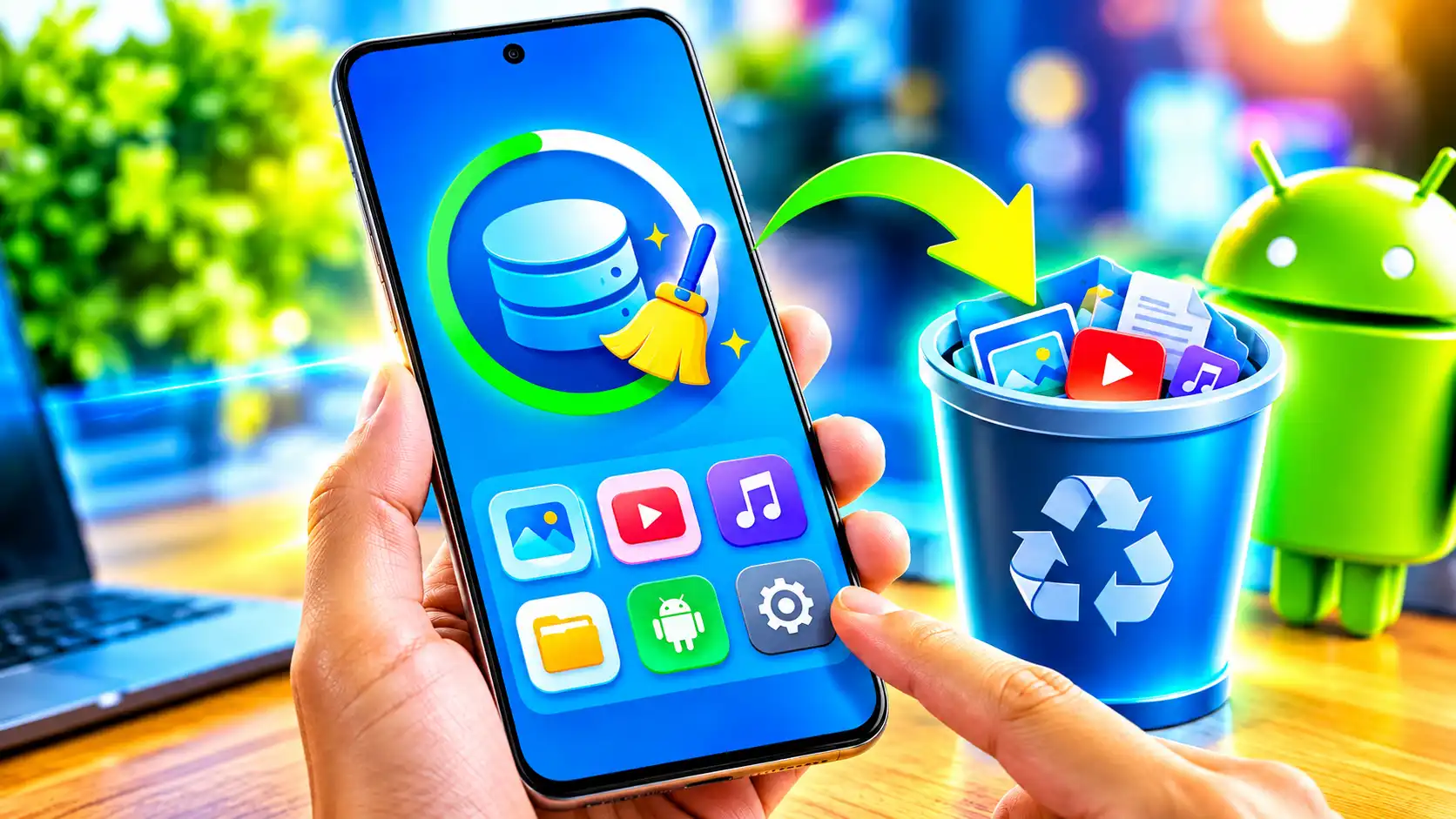
💾 Storage Almost Full – Fix Android Phone
when internal storage is nearly full, Android performance drops significantly. This happens because the system needs free space to function smoothly.
Quick fix:
Delete unused apps, clear cached files, and move photos or videos to cloud storage or memory card or external storage, what ever you want.
🔄 Android System Update Issues
Sometimes, a new Android update may cause temporary performance issues. While updates improve security, they can also conflict with older apps. As a result phone getting poor performance and also feeling slower.
Solution:
Update all installed apps from the Play Store and wait for system optimization to complete. (sometimes, system update can slow phone performance and also occurs soft brick)
Hidden Causes Make Android Phone Slow
🔋 Battery Health
Phone older batteries may reduce performance to prevent overheating or sudden shutdowns. This can make your phone feel slower than usual.
🦠 Malware or Suspicious Apps
If your phone slowed down suddenly after installing a new app, it could be unsafe. Some apps consume excessive resources in the background.
Tip: Fix laggy Android phone
Uninstall recently added apps and install apps only from trusted sources. (Also visit subrata service center for latest update)
🚀 Speed Up Your Android Phone Again
👉 Restart Your Device Weekly
A restart clears temporary system issues and improves performance and speed. (Alternatively, switch off your phone when doesn’t Required it, so the results is phone performed better)
👉 Keep Your Phone Updated
Always install official system and security updates for better optimization.
✅ Final Thoughts
In conclusion, if you’re wondering why is my Android phone suddenly so slow, the answer usually lies in background apps, low storage, updates, or battery health. The good news is that most slowdown issues are fixable without resetting your phone. By following these practical steps, you can restore smooth performance and enjoy your Android device new again.
Your Android phone may suddenly become slow due to background apps, low storage space, recent software updates, or an aging battery. In most cases, the slowdown is temporary and can be fixed by clearing storage, restarting the device, or updating apps.
Yes. When your Android phone’s internal storage is almost full, the system cannot perform basic tasks efficiently. This often causes lag, slow app loading, and freezing issues. Keeping at least 20–25% free storage helps maintain smooth performance.
Sometimes, yes—but usually temporarily. After an update, your phone may slow down while the system optimizes apps in the background. However, if the issue continues, outdated apps or limited hardware may be the cause rather than the update itself.
Absolutely. Some apps consume excessive RAM, CPU, or battery in the background. Social media, gaming, or poorly optimized apps are common reasons for sudden slowdown.
In rare cases, yes. Malicious or unsafe apps can run in the background and drain system resources. Always install apps from trusted sources and remove suspicious applications immediately.
Restarting your Android phone once a week helps clear temporary system glitches, free up memory, and maintain smooth performance.